Why This Matters
Veterans Face Serious Challenges
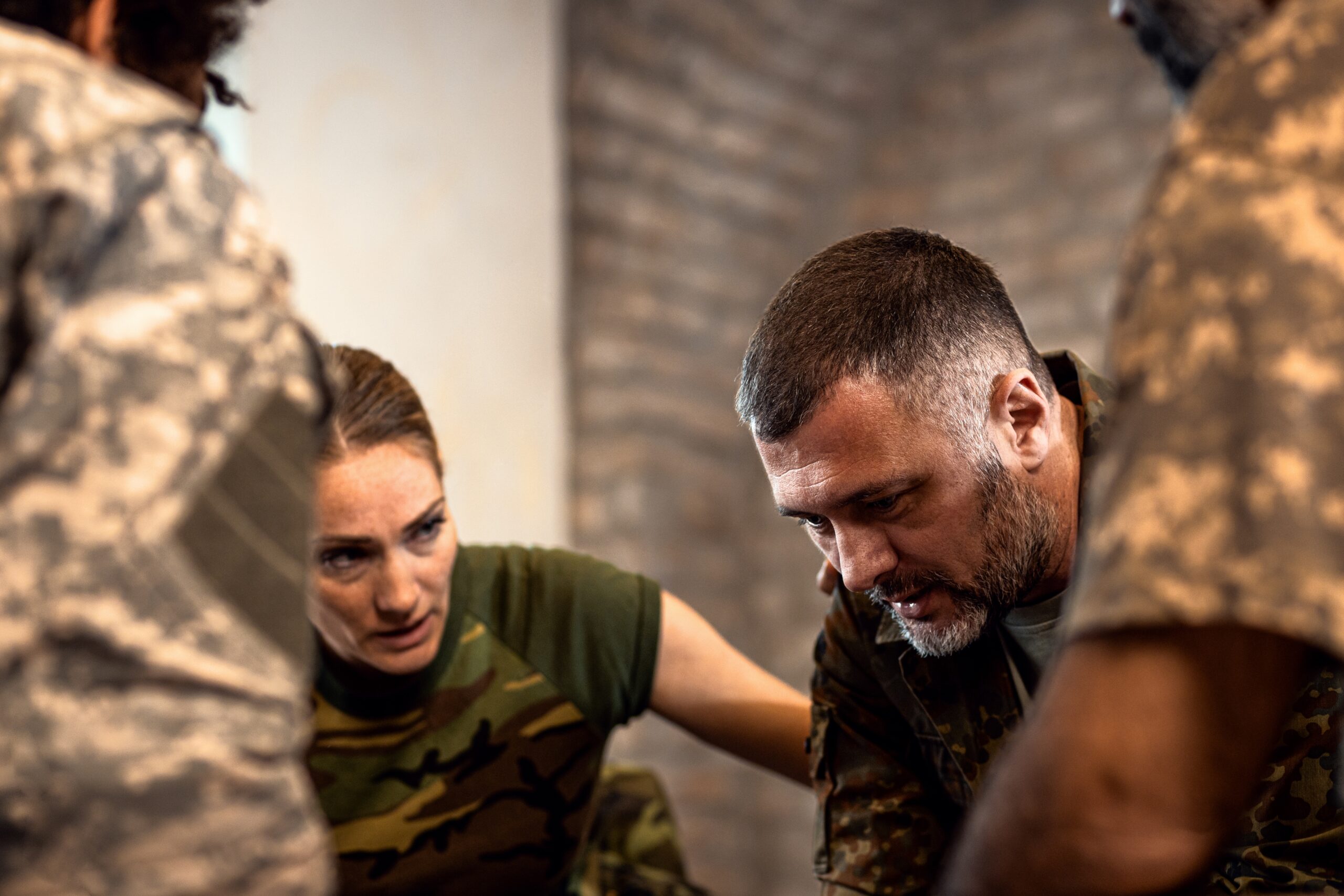
The emotional toll of military service can last a lifetime. According to the U.S. Department of Veterans Affairs, 29% of Iraq and Afghanistan Veterans have experienced PTSD during their lives. Depression, anxiety, and isolation can compound these challenges, affecting relationships, family stability, employment, and community life.
The consequences can be devastating. In 2024, 6,488 U.S. Veterans died by suicide, an average of nearly 18 every day. Behind these numbers are families, friends, and communities struggling with the impact.
Financial Strain
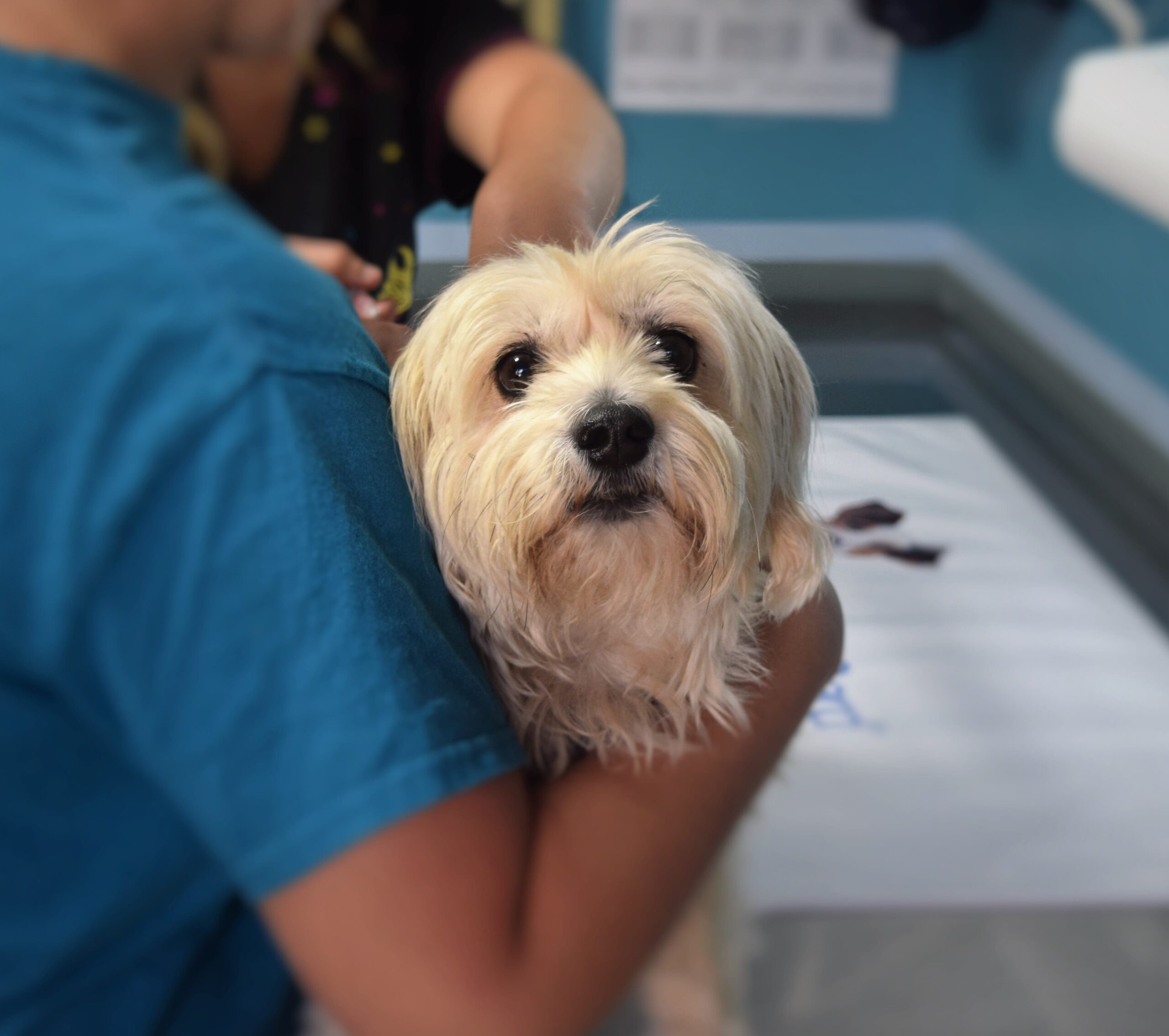
A veterinary emergency can cost thousands of dollars. Emergency surgeries commonly run from $1,500 to $5,000 or more, depending on the animal and treatment. For Veterans living on limited incomes, these expenses can threaten the wellbeing of both the pet and its owner.
Many American households lack the savings to absorb unexpected expenses. Federal Reserve research found that 37% of adults could not cover a $400 emergency entirely with cash or its equivalent. Veterans facing financial strain are not immune to these pressures. Delayed treatment, mounting debt, or surrendering a beloved pet can become painful possibilities.
Connection and Purpose
Pets can also help Veterans reconnect with people. Shared experiences with animals create opportunities for conversation, friendship, and mutual support. Veterans helping Veterans can build relationships that extend beyond pet ownership.
Working with animals can restore a sense of purpose. Volunteering, helping other pet owners, and participating in animal-centered activities offer meaningful ways to contribute, build confidence, and become part of a community.
Gaps in Support
Veteran services and animal welfare programs rarely address these needs together. Veteran organizations generally focus on people. Animal welfare groups focus on animals. Neither system consistently addresses the financial, emotional, and practical challenges of keeping Veterans and their existing pets together.
The opportunity is to connect these resources. Affordable veterinary care, practical assistance, and stronger community partnerships can help protect relationships that matter deeply to Veterans.

The Opportunity
Supporting the Veteran-pet bond means supporting both ends of the leash. Veterans Pet Lifeline is developing a practical model that brings together affordable pet care, Veteran-to-Veteran support, and opportunities for connection and purpose.
Starting in Pittsburgh, we're inviting Veterans and community partners to help shape solutions that can grow into a sustainable national network.
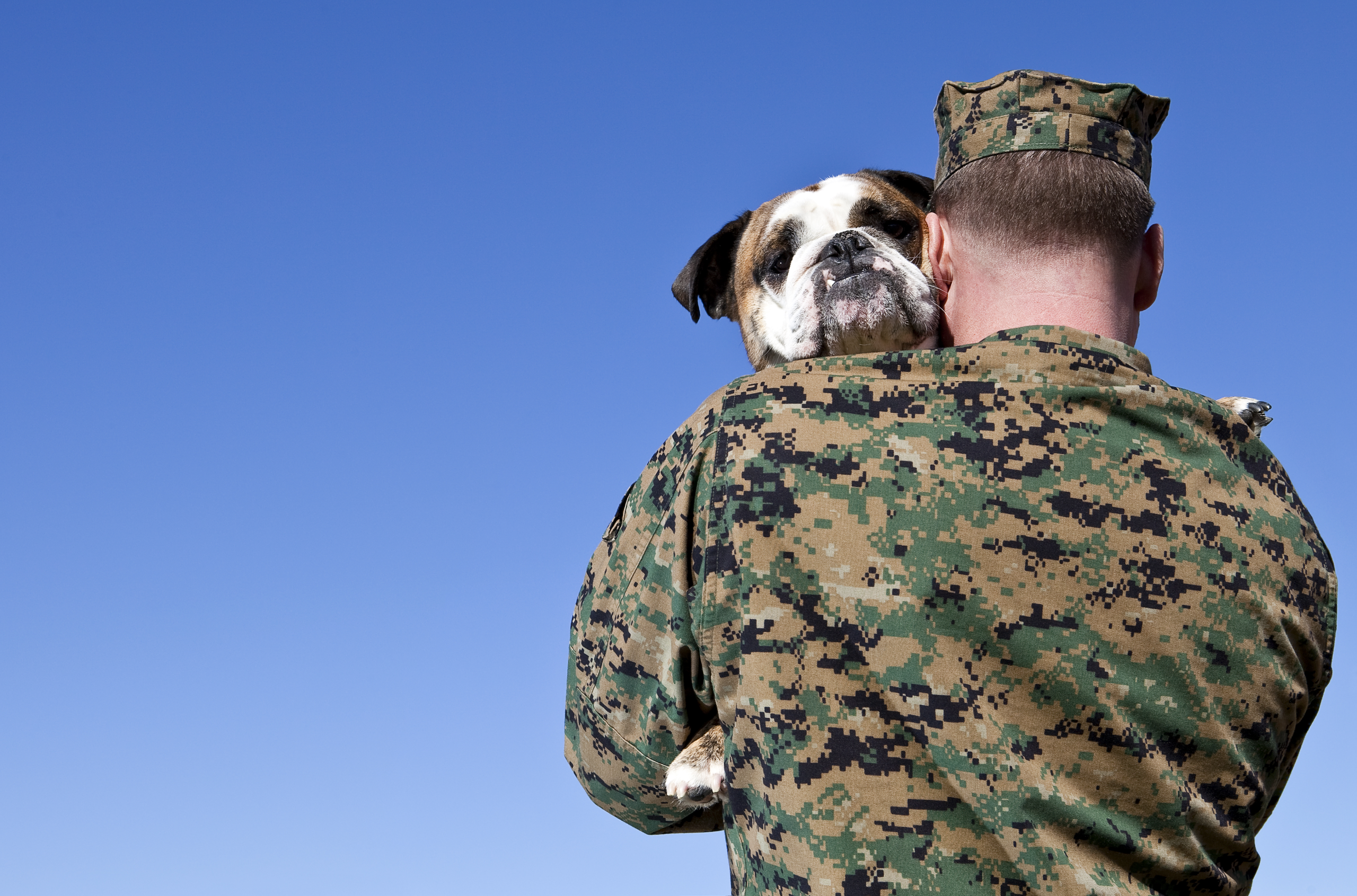
The Overlooked Human-Animal Bond
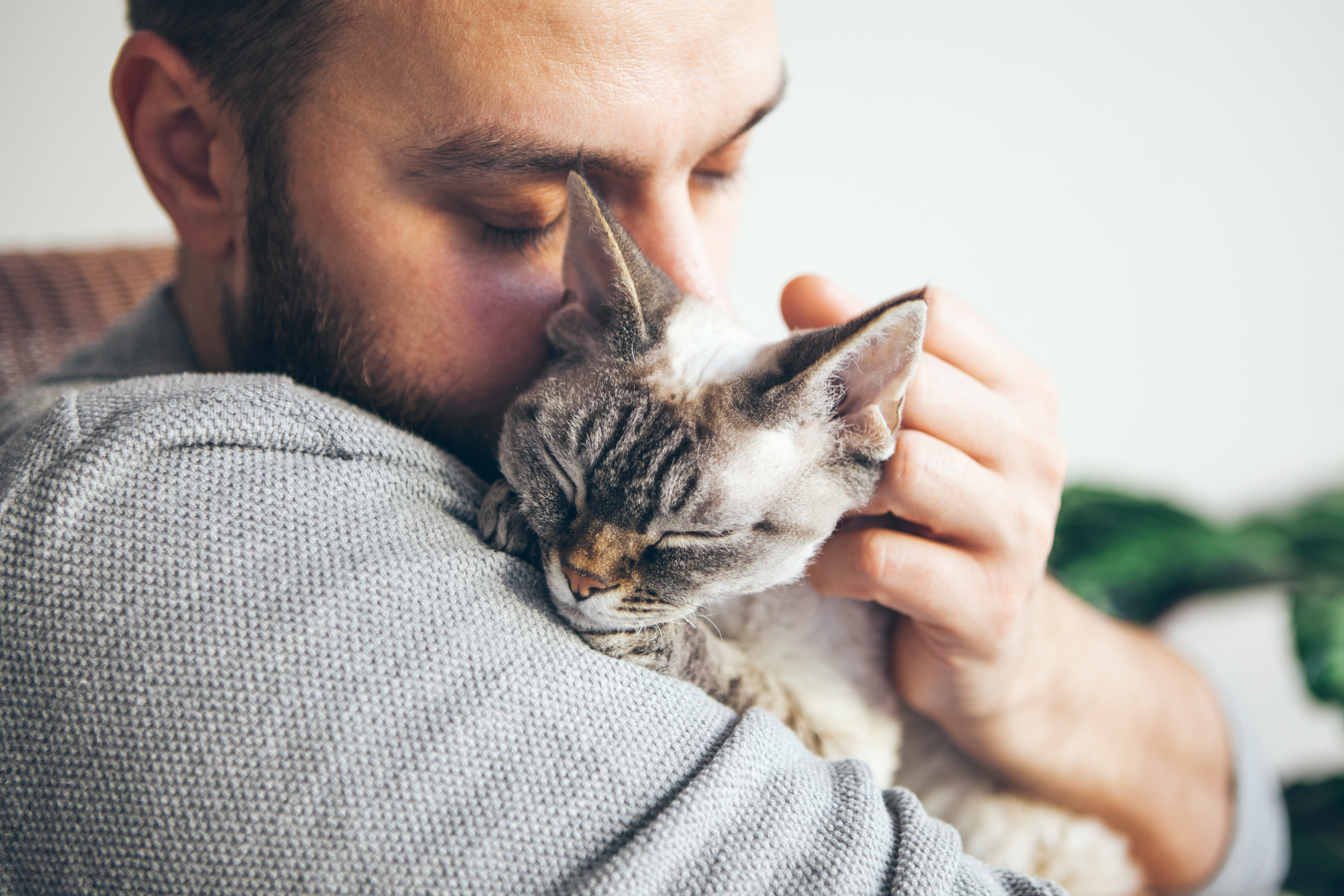
Ordinary pets provide support that deserves greater recognition. Dogs and cats can offer companionship, emotional comfort, daily structure, and a sense of purpose. Research with Veterans suggests these relationships can improve quality of life, although pets are not substitutes for professional mental health treatment.
Service dogs are valuable, but they represent only one part of the picture. Specially trained dogs help Veterans with specific disabilities and medical needs. Most companion animals, including cats, are not service animals. Yet their everyday role in Veterans' lives is often overlooked.